
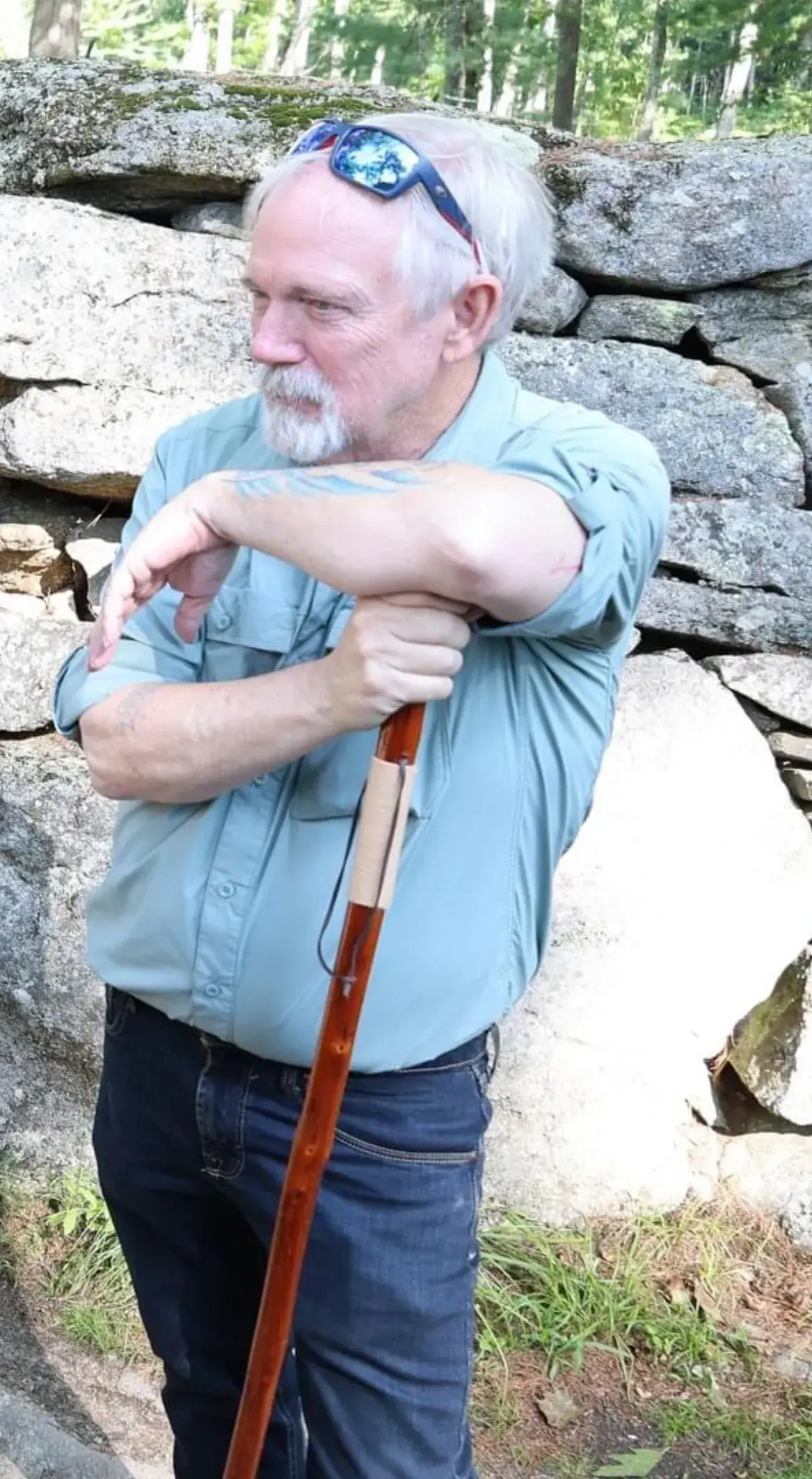
Archaeology: A Journey to the Past By: Richard Deitering
Uncovering the Secrets of Time
Welcome to the adventurous world of archaeology! Imagine yourself as a detective, piecing together the puzzles of human history and prehistory through the excavation and analysis of artifacts, structures, and other intriguing relics. This exciting discipline opens doors to civilizations long gone, providing us with captivating stories and enriching our understanding of the present.
Definition and Scope
Archaeology is like a treasure hunt across time! From unearthing ancient tools and pottery to discovering monumental structures and entire lost cities, archaeologists embark on quests to unravel the lives, cultures, and environments of people from bygone eras. The scope of this fascinating field is vast, covering both prehistoric and historic periods, and spanning across the globe.
Methods of Archaeological Research
Excavation
Picture yourself digging through layers of history, uncovering secrets hidden beneath the earth. Excavation involves systematically revealing archaeological sites through meticulous digging and recording the stratigraphy, or layers, of soil that contain artifacts and features. This thrilling process can uncover anything from simple domestic dwellings to majestic temples and fortresses.
Surveying
Before the digging begins, archaeologists play the role of explorers, surveying landscapes to identify potential sites. This can involve trekking across terrains, using aerial photography, and employing geophysical techniques like ground-penetrating radar to detect buried treasures and ancient structures.
Analysis
Once the artifacts and remains are uncovered, the real detective work starts! Detailed analysis follows where archaeologists examine materials, construction techniques, and usage patterns. Advanced technologies like radiocarbon dating, DNA analysis, and isotope studies help determine the age, origin, and function of these fascinating finds.
Branches of Archaeology
Prehistoric Archaeology
Step into the world before written records existed! Prehistoric archaeology relies heavily on material culture to understand societies, including their social structures, economies, and belief systems. It’s like reconstructing life from the clues left behind!
Historical Archaeology
Historical archaeology combines the best of both worlds: textual evidence with physical remains. This branch provides a more comprehensive picture by studying periods with written records, such as ancient Roman cities, medieval castles, and colonial settlements. It’s a journey through the pages of history!
Ethnoarchaeology
Ethnoarchaeology is where the past meets the present! By observing how contemporary societies use and discard objects, archaeologists can make inferences about ancient practices and social organization. It’s like time-traveling through cultural practices!
Underwater Archaeology
Dive into the depths of history with underwater archaeology! This branch explores submerged sites like shipwrecks and flooded cities. It faces unique challenges and requires specialized equipment and techniques to uncover and preserve artifacts from underwater environments. It’s an underwater adventure!
Significance of Archaeology
Archaeology is a vital key to understanding human history and cultural development. It provides evidence for migration patterns, trade routes, technological advancements, and the spread of cultural practices. By studying ancient civilizations, we can learn about their achievements and failures, which in turn inform our own societal choices.
Preserving Heritage
Archaeology plays a crucial role in heritage preservation. It helps protect and conserve historical sites and artifacts, ensuring that future generations can access and appreciate their cultural heritage. Museums and educational programs often collaborate with archaeologists to display findings and educate the public.
Challenges and Ethics
Archaeologists face numerous challenges, like protecting sites from urban development, looting, and climate change. Ethical considerations are also paramount, involving respectful handling of human remains and engaging with descendant communities whose histories are being studied.
Conclusion
Archaeology is a thrilling and multifaceted journey that connects us to our past. Through meticulous research and excavation, archaeologists uncover the stories of ancient peoples and civilizations, providing invaluable insights into the development of human culture. As we continue to explore and preserve our archaeological heritage, we deepen our understanding of ourselves and our place in history. Let the adventure begin!
